The attic comes first
I climb into the attic before I ever set foot on a ladder, because that is where the real story of a roof usually lives. I look at the underside of the sheathing for dark staining, at the nails for frost or rust, and at the insulation for the flat, wet-looking patches that mean water has been getting through longer than anyone upstairs noticed. A stain three feet from a leak's actual entry point is the rule in an older attic, not the exception.
Ventilation gets checked here too. Blocked soffit vents, a bathroom fan dumping straight into the attic, or insulation piled against the roof deck instead of stopping at a baffle all point toward the kind of heat buildup that causes ice damage later, whatever the shingles look like from the ground.
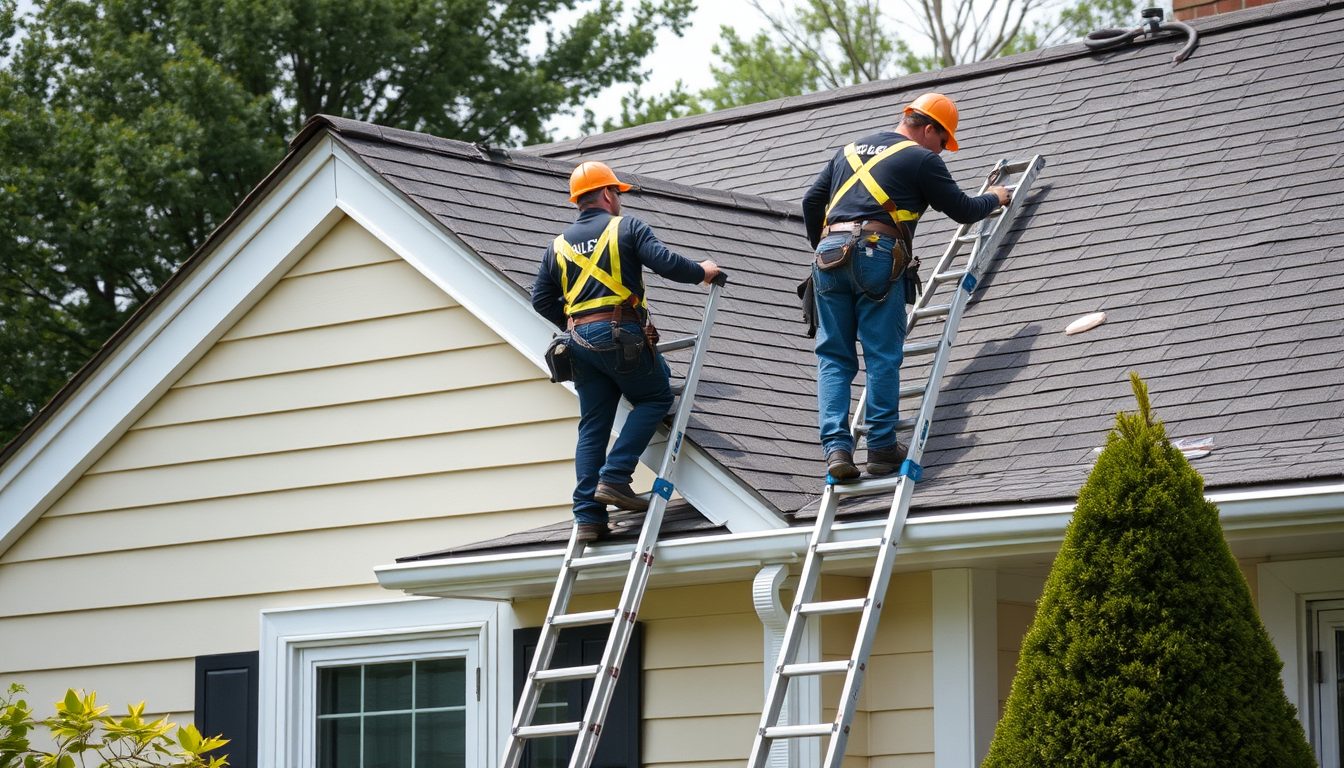
Then I go up on the roof itself
Once the attic has told me its part of the story, I get up top. I lift shingles at random spots on each slope to check how brittle they are and how much granule is left in the gutters, which tells me more about remaining life than the age on paper does. I walk every valley and ridge, and every place where a lower roof meets a wall, since those transitions fail long before the open field of shingles does.
Chimneys, plumbing vents, and skylights get individual attention. I want to see how the flashing was installed the last time somebody was up there, and whether the counterflashing is still tucked into the brick or siding the way it should be.
The parts most people never think to ask about
Fascia, soffit, and the first few feet of sheathing above the gutter line get a close look, since that is where a slow leak does its quiet damage over a decade. I press on the wood with a hand tool rather than trust my eyes, because paint hides rot for years. Gutters get pulled away from the fascia far enough to see the wood behind the hangers, not just glanced at from the ladder.
On a house with a porch roof or a rear addition, I treat that low-slope section as its own inspection, since rubber and shingles fail in different patterns.
What goes into the written scope afterward
Everything I find gets written down before I leave the property, with the attic notes and the roof notes matched up so they tell one story. Where a repair genuinely covers the problem, I describe what it includes and what I expect it to buy you in years. Where the deck is soft or the leaks are spreading, I say so plainly.
You get both pictures side by side when both are real options, so the decision in front of you is the actual condition of your roof, not a guess made from the driveway.